June 16, 2026
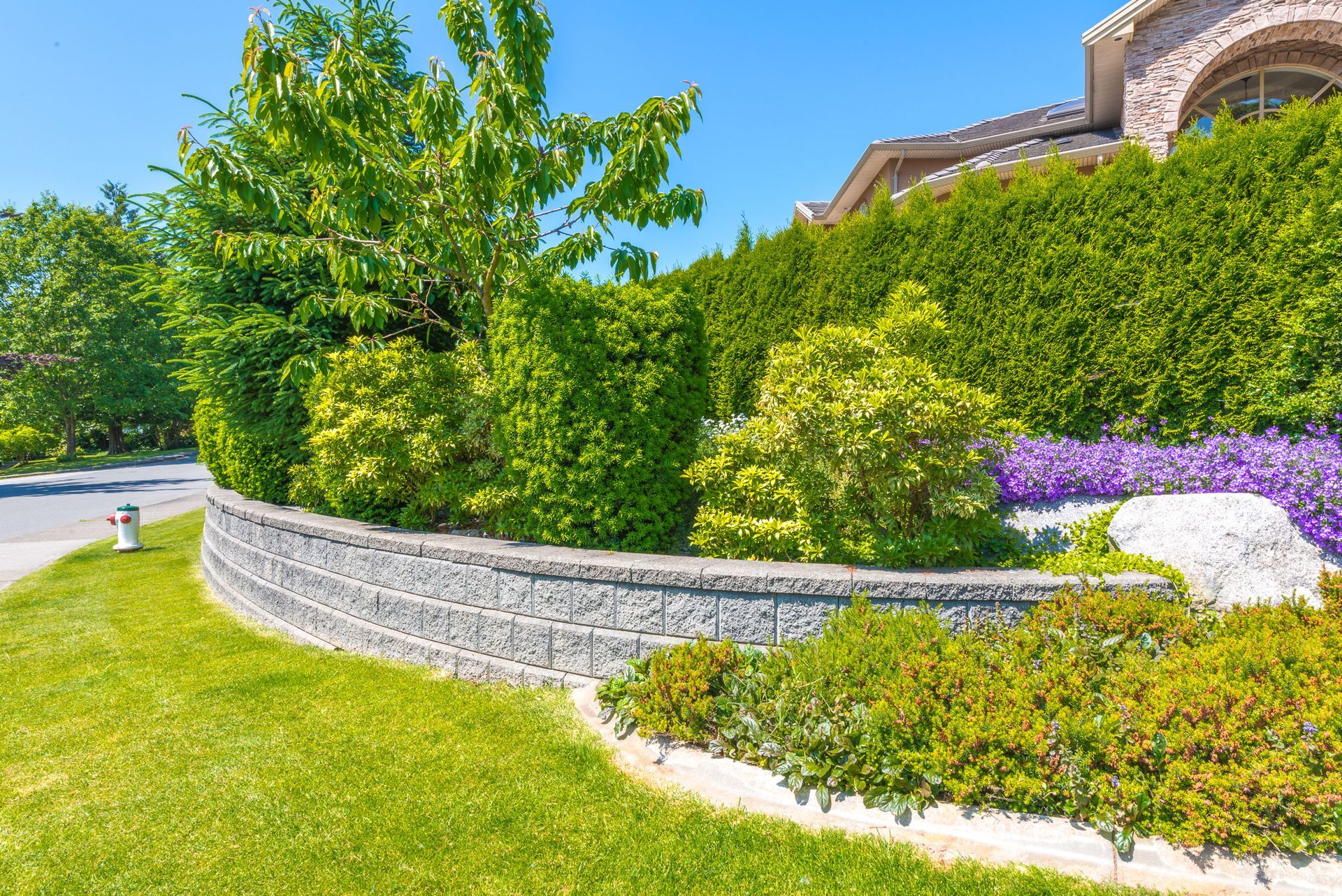
Retaining structures serve as essential components in landscape architecture. They transform sloped yards into usable terraces and prevent soil erosion. Homeowners view these structures as simple weekend projects. Moving earth and securing it against gravity requires significant expertise. Building a stable structure demands profound knowledge of soil dynamics. While small garden borders might suit a casual hobbyist, substantial barriers necessitate professional intervention.
Knowing the boundary between a manageable task and a major construction endeavor prevents disastrous outcomes. A failing structure poses severe risks to property and personal safety. Soil exerts immense pressure against any barrier placed in its path. Inadequate design leads to imminent collapse and expensive repairs. Deciding when to call a professional hardscaping service is vital for ensuring longevity and safety. This article explores key indicators suggesting a project requires professional expertise.
Assessing the Structural Complexity of Your Landscape
The primary factor dictating the need for professional help involves the sheer scale of the barrier. Taller structures endure exponential increases in lateral earth pressure as height increases. According to This Old House, a retaining wall that's four feet high and 15 feet long can hold back up to 20 tons of saturated soil. Managing such weight requires precise calculations. A lack of understanding regarding these forces dooms an amateur project to failure.
Professionals understand how to implement stabilizing techniques for substantial heights. They utilize geogrid reinforcement and proper setback angles to counteract the relentless pull of gravity. Without these crucial elements, tall structures lean and fail under the earth's weight. A specialized hardscaping service possesses the heavy machinery necessary to excavate the site and compact the base material. Proper compaction ensures the foundation will not settle beneath the massive load.
Terraced designs introduce additional layers of complexity to the building process. Each tier adds pressure to the lower levels, compounding the overall structural demands. Calculating the distribution of force across multiple tiers falls outside standard knowledge for most homeowners. Experts engineer each level to support the overarching design while maintaining individual stability. Creating a cohesive multi-tiered system demands an understanding of load-bearing capacities.
Sloped terrain dictates professional engagement from the beginning. Building on a steep incline requires extensive grading before construction begins. Heavy machinery becomes mandatory to move earth and level the foundation trench. Relying on manual labor for steep slopes proves inefficient and poses a high risk of injury. Professional operators maneuver equipment to create a safe working environment and an optimal starting point.
Evaluating the Drainage Requirements of Your Property
Water management remains a critical aspect of durable landscape construction. Poor drainage causes the vast majority of barrier failures across varied climates. When soil absorbs water, it expands and exerts tremendous hydrostatic pressure against the back of the structure. Without a designated escape route, trapped water forces the materials outward, causing bowing and collapse. Managing this moisture is non-negotiable for a lasting installation.
Professionals integrate comprehensive drainage systems behind the structure. They install perforated pipes set in washed gravel to channel water away from the vulnerable barrier. This hidden infrastructure requires precise sloping and seamless integration with existing yard drainage patterns. A competent hardscaping service ensures water flows away from your home and the new structure without causing pooling. Proper subsurface drainage protects the structural integrity.
The type of soil present on your property dictates the specific drainage approach needed. Clay soils retain moisture and expand with great force, demanding aggressive drainage solutions. Sandy soils facilitate rapid drainage but require different compaction methods to prevent washout beneath the foundation. Identifying soil composition and tailoring the drainage plan requires geological knowledge. Experts test the soil to determine the precise pipe diameter required.
Surface water runoff needs careful management alongside subsurface solutions. Experts grade the soil behind the barrier to prevent water from pooling at the top edge. They incorporate swales or catch basins to direct heavy rainfall away from the critical zone. Ignoring surface drainage compromises the integrity of the installation by allowing water to cascade over the top. A comprehensive water strategy covers all potential entry points.
Understanding the Material Selection for Your Project
Choosing appropriate materials impacts both the aesthetic appeal and structural integrity of the barrier. Options range from natural stone and poured concrete to manufactured block systems. Each material exhibits distinct behavior under stress and requires specific installation techniques. Weighing these options requires a deep understanding of construction materials and their long-term performance. The correct material choice depends on site conditions, budget constraints, and the desired visual outcome.
Manufactured segmented blocks offer popularity due to their locking mechanisms and uniform appearance. Proper installation requires a flawless base course to prevent staggering issues. Minor deviations in the foundation layer compound as the structure rises, leading to uneven caps and structural weakness. Hiring a professional hardscaping service guarantees precise base preparation and flawless block alignment. These experts use laser levels to maintain absolute precision.
Natural boulders provide a rustic appearance but present unique challenges during construction. Moving massive rocks demands specialized equipment and an operator skilled in spatial arrangement. Placing boulders requires assessing the center of gravity for every individual stone to ensure an interlocking fit. Amateurs risk injury and unstable results when attempting to maneuver large rocks without proper rigging. Professionals craft these boulder walls with an eye for safety.
Poured concrete delivers maximum strength but requires intricate formwork and internal steel reinforcement. The curing process is sensitive to temperature and moisture fluctuations in the environment. Any mistake during the pouring phase leads to permanent structural flaws requiring complete demolition to fix. Professionals manage the concrete mixing, pouring, and curing phases to prevent cracking. This rigorous process yields an impenetrable barrier.
Recognizing the Legal Permits for Your Installation
Municipal regulations govern most significant landscape modifications in residential areas. Local building codes dictate maximum heights and setback requirements for earth-retaining structures. Ignoring these laws leads to fines and mandates to dismantle the completed work at the owner's expense. Navigating local bureaucracy can overwhelm a homeowner unfamiliar with zoning terminology. Securing the proper documentation stands as a critical phase before any earth-moving begins.
Reputable professionals remain familiar with zoning laws and code requirements for specific municipalities. They handle the permit application process, submitting necessary drawings and engineering plans to the city planners. Relying on an experienced hardscaping service ensures full compliance with local building authorities and avoids project delays. Their established relationships with city inspectors facilitate a smooth approval process from conception to final inspection.
Underground utilities pose a hidden hazard during the initial excavation phase. Digging without locating gas lines, water pipes, or electrical cables risks disastrous consequences for the entire neighborhood. Professionals coordinate with utility companies to mark all lines before breaking ground on the site. This crucial step prevents service interruptions and severe safety hazards for the workers and residents. Bypassing this step constitutes a major violation of safety standards.
Property lines represent another legal boundary requiring careful attention during the planning stage. Building a structure that encroaches on a neighbor's land invites expensive legal disputes and forced removals. Professionals utilize official property surveys to guarantee the installation remains within legal boundaries. They assume the liability for accurate placement, shielding the homeowner from boundary conflicts. Precision ensures the new addition improves the property without infringing on adjacent plots.
Deciding to utilize experts mitigates risks and guarantees a durable, attractive result. Professional builders bring necessary equipment, deep knowledge of physics, and familiarity with local regulations to the job site. Investing in a professional hardscaping service secures peace of mind and enhances the overall value of your landscape. Recognizing the limits of amateur abilities marks the crucial step toward a successful outdoor renovation. A well-built retaining structure offers lasting beauty. If you're ready to secure your landscape and enhance your property, contact Atlantic Outdoor Living today. Our expert hardscaping service provides the necessary engineering and design skills to build a lasting retaining structure.