October 29, 2026
This article explores the distinctions between modern and traditional hardscaping, helping you consider which style may suit your home's outdoor spaces. Hardscaping uses non-living features such as patios, walkways, driveways, retaining walls, fire pits, and other outdoor elements to add structure and function. Choosing a style that complements your preferences and the home's architecture can help create an outdoor area that feels cohesive and purposeful.
Practical Hardscaping Basics
Define Hardscaping
Hardscaping uses durable, non-living features to add structure, function, and visual interest to outdoor spaces. Common hardscape features include patios, walkways, driveways, retaining walls, fire pits, water features, and outdoor kitchens. A hardscaping contractor can incorporate these elements to help define how an outdoor area is used while creating a cohesive setting for relaxing, entertaining, cooking, and other activities.
Hardscaping can also be incorporated into larger outdoor living projects. Pavers can create patios, walkways, and driveways, while retaining walls, fire features, water features, pergolas, and outdoor kitchens can add distinct functional areas. Considering how these features work together can help homeowners create an outdoor space that reflects their preferences and intended use.
Shape the Outdoor Space
Hardscaping can help establish distinct areas throughout an outdoor space. A patio can provide room for seating and entertaining, while a walkway can connect different areas of the property. Retaining walls can help define sections of the landscape, and features such as fire pits, outdoor kitchens, and pergolas can give specific areas a clear purpose.
The way these features are arranged can also influence how the space feels and functions. Homeowners can consider where they want to cook, dine, gather, relax, or spend time outdoors before selecting the features that belong in the design. A thoughtful layout can help individual elements work together instead of making each feature feel separate.
Modern Design Features
Use Clean Design Elements
Modern hardscaping often emphasizes simplicity, clean lines, and an uncluttered appearance. A straightforward layout can create a sense of order while allowing individual features to stand out. Paver patios, walkways, and driveways can use coordinated patterns and colors to establish a streamlined appearance throughout the property.
Modern design does not have to mean an absence of personality. Homeowners can use carefully selected colors, patterns, and outdoor features to create an individualized space while maintaining a simple overall appearance. The emphasis is on using each element intentionally rather than adding features without a clear purpose.
Select Simple Paver Patterns
Pavers provide flexibility for creating modern outdoor areas. Different brick styles, patterns, and colors can change the appearance of a patio, walkway, or driveway while allowing the design to coordinate with the surrounding property. Simple arrangements and complementary colors can contribute to a streamlined look.
Permeable pavers can also be considered for appropriate driveway projects. The choice of paver style and pattern ultimately depends on the desired appearance and the function of the area. Taking those factors into account can help create a design that feels intentional and cohesive.
Traditional Design Elements
Embrace Classic Design
Traditional hardscaping can emphasize classic patterns, familiar materials, and a more established appearance. Brick and paver features can create a timeless look, while patios, walkways, retaining walls, and other hardscape elements can provide structure throughout the outdoor space. According to LawnStarter, well-designed hardscaping can increase the value of the home by up to 15%.
A traditional approach can also incorporate decorative details without making the space impractical. The key is to select features that complement one another and suit the character of the home. Homeowners who prefer a more classic appearance can use coordinated materials and patterns to create an inviting outdoor environment.
Build With Pavers
Pavers can work particularly well for traditional outdoor spaces because they offer different styles, patterns, and colors. A carefully selected pattern can give a patio or walkway a more established appearance, while coordinating the driveway with other paved areas can create continuity across the property. A hardscaping contractor can help homeowners consider how these selections work across multiple areas.
Traditional designs do not require every surface to look identical. Different paver arrangements can help distinguish patios, walkways, and driveways while still maintaining a consistent overall appearance. The right combination depends on the home's architecture and the homeowner's preferred style.
Add Classic Outdoor Features
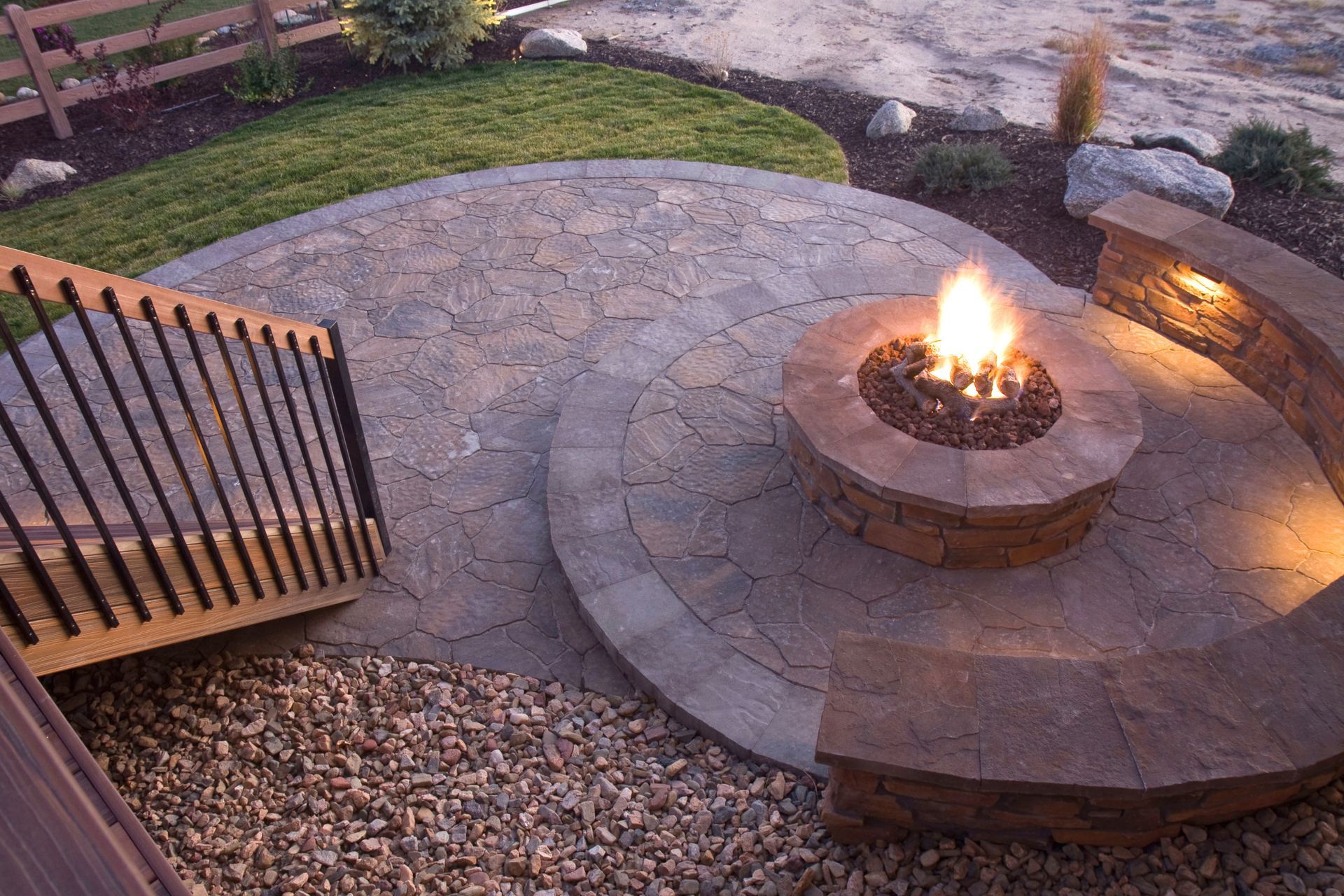
Traditional outdoor spaces can incorporate features that encourage gathering and relaxation. Fire pits can establish a natural focal point, while outdoor kitchens can create a dedicated area for preparing and serving food. Water features and landscape lighting can provide additional visual and functional elements.
Pergolas can also contribute structure and definition to an outdoor living area. When combined with patios, seating areas, fire features, or other hardscape elements, they can help create a space that feels intentional and comfortable without overwhelming the overall design. These features can be selected according to the homeowner's preferred appearance and intended use.
Important Style Considerations
Consider Your Home
The home's architecture can provide a useful starting point when choosing between modern and traditional hardscaping. A homeowner may prefer a streamlined design that complements contemporary features, or a more classic approach that works with established architectural details. There is no requirement to follow one style throughout every part of the property.
Looking at the home's colors, existing materials, and overall character can help narrow the options. Paver styles, patterns, colors, and outdoor structures can then be selected to complement those characteristics. A hardscaping contractor can help homeowners consider how those selections fit within the broader outdoor space.
Evaluate Your Outdoor Needs
Function should be considered alongside appearance. Homeowners who frequently entertain may benefit from an outdoor kitchen, patio, dining area, or fire pit. Someone who wants a more relaxed outdoor setting may prioritize comfortable gathering areas, a pergola, or a water feature.
The intended use can also influence how features are positioned. Walkways can connect different areas, while lighting can help define outdoor spaces after dark. Considering these practical needs before choosing a style can make it easier to create an outdoor area that feels both attractive and useful.
Combine Preferred Features
Modern and traditional styles do not have to be treated as completely separate choices. Homeowners can select the features they find most appealing and coordinate them through complementary materials, colors, and patterns. A classic paver pattern, for example, can be paired with an outdoor kitchen or pergola without requiring the entire space to follow a single design formula.
The goal is to create an outdoor environment that reflects personal preferences while making practical use of the available space. By considering the home's appearance, the intended activities, and the relationship between individual features, homeowners can develop a hardscape design that feels cohesive and purposeful. A hardscaping contractor can help bring those preferences together into a coordinated outdoor plan.
Modern and traditional hardscaping can both create inviting outdoor spaces that reflect the character of a home and the way the area will be used. From clean paver layouts to classic patterns and gathering areas, thoughtful design can bring the right combination of style and function together. Atlantic Outdoor Living offers custom outdoor living and hardscaping solutions, including patios, walkways, driveways, retaining walls, outdoor kitchens, fire pits, water features, pergolas, fencing, artificial turf, playgrounds, and outdoor lighting. Learn more about creating an outdoor space tailored to your preferences and needs.