June 30, 2026
When homeowners think about improving their outdoor spaces, they often focus on landscaping features such as plants, trees, and lawns. While these elements contribute to curb appeal, hardscaping plays an equally important role in creating a functional and visually appealing property. Hardscaping includes the non-living features of a landscape, such as patios, retaining walls, walkways, driveways, outdoor kitchens, and fire pits.
Investing in a professional hardscaping service can transform an ordinary yard into an attractive and practical outdoor living space. More importantly, quality hardscape installations offer long-term value by increasing property appeal, improving usability, reducing maintenance needs, and contributing to overall property value. By working with experienced professionals, homeowners can enjoy durable results that continue to provide benefits for years to come.
What Is Professional Hardscaping?
A professional hardscaping service focuses on designing and installing permanent structural elements within an outdoor environment. Unlike landscaping, which centers on living components such as grass and plants, hardscaping involves the use of materials like stone, brick, concrete, pavers, gravel, and wood.
Professional hardscaping requires more than simply placing materials in a yard. Contractors must carefully evaluate factors such as drainage, grading, soil stability, property layout, and local building regulations. A well-designed hardscape should complement the surrounding landscape while providing practical functionality.
Common hardscaping projects include patios that create outdoor gathering spaces, walkways that improve accessibility, retaining walls that manage elevation changes, and decorative features that enhance visual appeal. A skilled hardscaping service combines technical knowledge with creative design to create outdoor spaces that are both attractive and durable.
Because hardscape features are intended to last for decades, proper installation is critical. Professional contractors use proven construction methods and quality materials to help prevent issues such as shifting, cracking, erosion, and drainage problems.
How Does Hardscaping Improve Property Value?
One of the strongest reasons to invest in a professional hardscaping service is the potential increase in property value. Homebuyers increasingly view outdoor living areas as extensions of the home itself. A thoughtfully designed outdoor space can make a property more desirable and competitive in the real estate market.
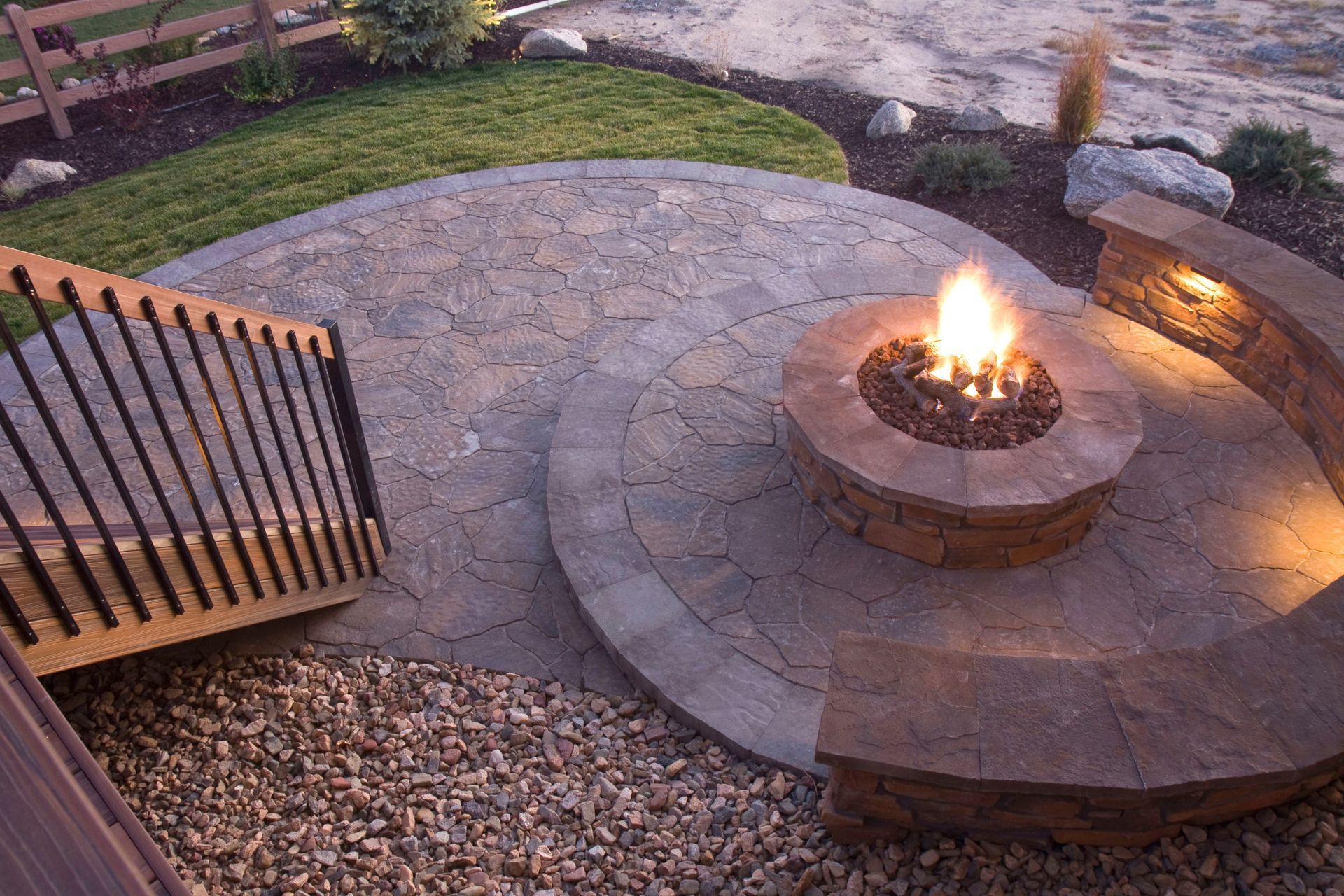
Patios, outdoor kitchens, fire pits, and seating areas create additional functional living space without the expense of building an interior addition. These features allow homeowners to entertain guests, relax outdoors, and maximize the use of their property throughout the year.
Hardscaping also improves curb appeal. Attractive walkways, stone borders, and decorative retaining walls contribute to a polished appearance that creates a positive first impression. Since first impressions often influence purchasing decisions, these upgrades can make a significant difference when selling a home.
In addition to aesthetics, hardscaping provides practical benefits that buyers appreciate. Properly installed walkways improve accessibility, retaining walls help manage sloped terrain, and drainage solutions reduce the risk of water-related issues. These functional improvements add tangible value to the property while enhancing its overall appearance.
A professionally completed hardscaping service demonstrates quality craftsmanship and attention to detail, both of which can help increase buyer confidence and perceived property value.
What Elements Should Be Included in a Hardscape Design?
A successful hardscape design balances beauty, functionality, and long-term performance. Every property has unique characteristics, which means the ideal design will vary based on the homeowner's goals and the layout of the landscape.
Patios are often one of the central elements of a hardscape design. They provide a dedicated area for dining, entertaining, and relaxing. Materials such as pavers, natural stone, and stamped concrete can be selected to complement the home's architectural style.
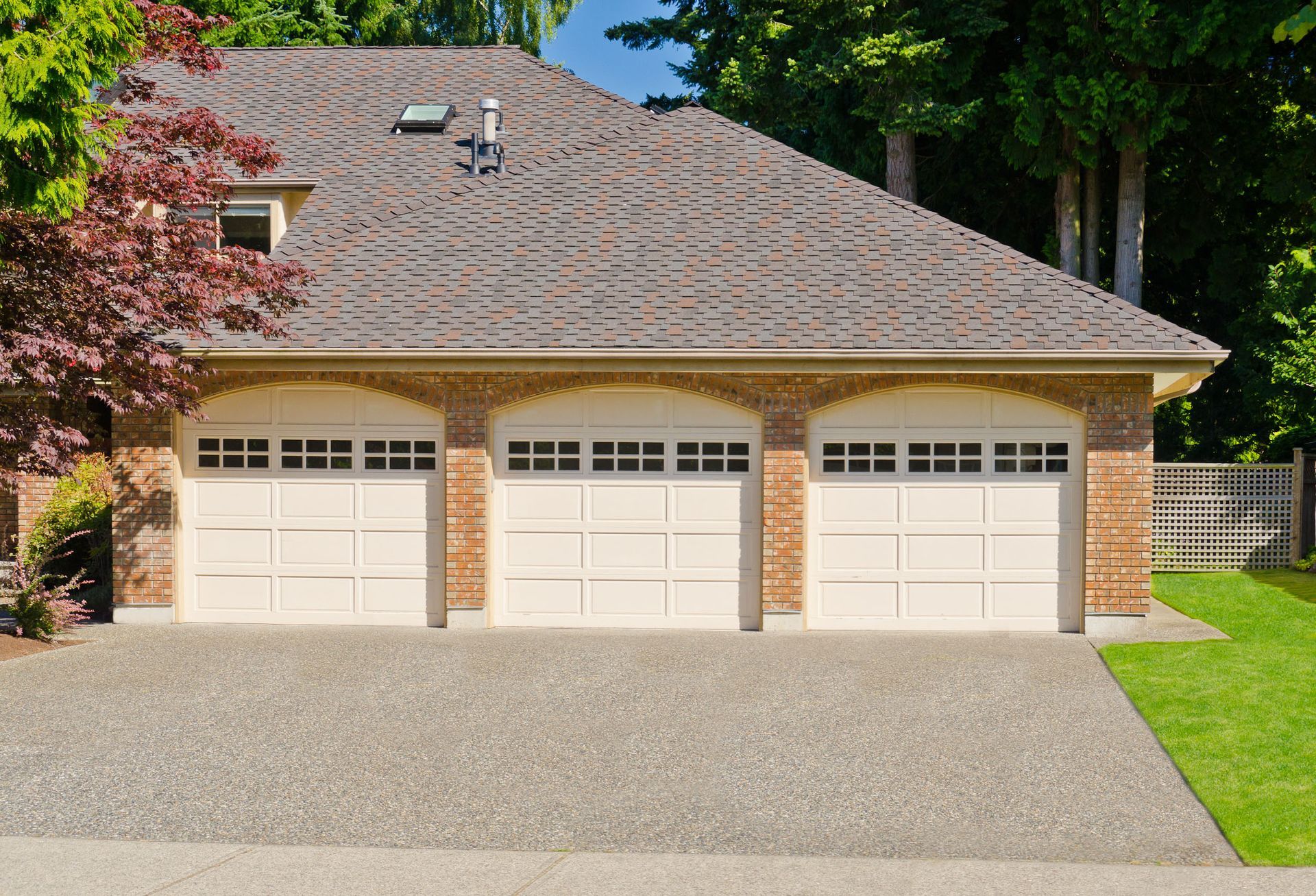
Walkways help connect various areas of the property while improving accessibility and safety. Whether leading from the driveway to the front entrance or connecting backyard features, walkways create a sense of organization and flow.
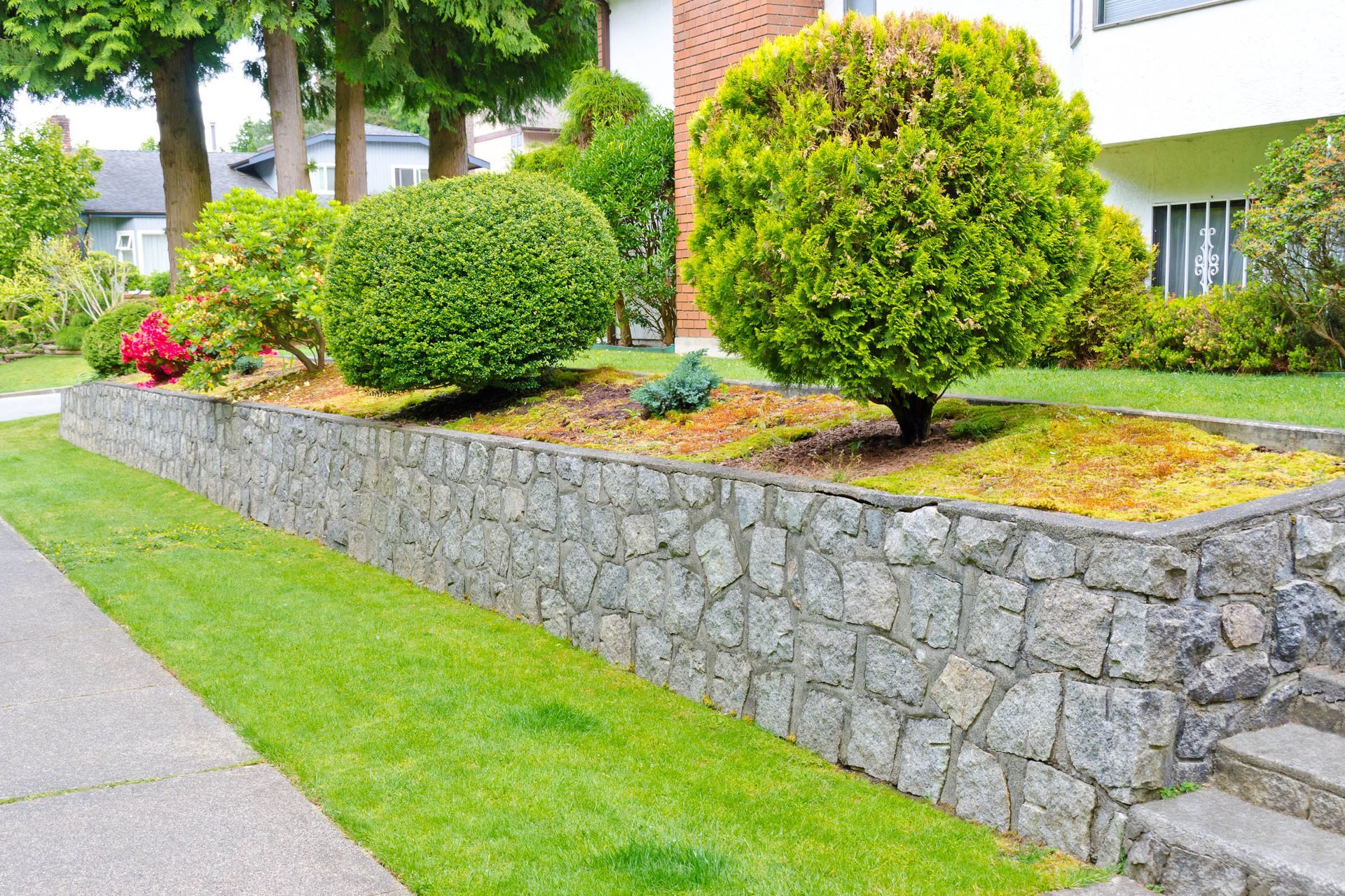
Retaining walls are another common component. These structures help stabilize sloped terrain, prevent soil erosion, and create usable outdoor spaces. According to This Old House, retaining walls are commonly about 3 feet tall, while walls exceeding 4 feet may require special permits. This highlights the importance of working with a professional hardscaping service that understands local regulations and construction requirements.
Outdoor living features have become increasingly popular in recent years. Fire pits, outdoor kitchens, seating walls, pergolas, and decorative lighting can enhance comfort and usability while creating inviting gathering spaces.
Drainage considerations should also be incorporated into every hardscape design. Proper grading, drainage channels, and permeable materials can help manage water runoff and protect the longevity of the installation.
The most successful designs integrate these elements into a cohesive outdoor environment that complements both the property and the homeowner's lifestyle.
How to Choose the Right Hardscaping Service?
Selecting the right hardscaping service is one of the most important decisions homeowners can make when planning an outdoor improvement project. The quality of the contractor's work will directly affect the appearance, functionality, and lifespan of the finished project.
Experience should be a primary consideration. Contractors with extensive experience have likely encountered a variety of site conditions and construction challenges. Their knowledge allows them to recommend effective solutions while avoiding common mistakes that could compromise the project.
Reviewing previous work can provide valuable insight into a contractor's capabilities. Portfolios, project galleries, and customer testimonials often reveal the quality of craftsmanship and attention to detail that homeowners can expect.
Licensing and insurance are also important factors. A reputable hardscaping service should comply with local regulations and carry appropriate insurance coverage to protect both the contractor and the homeowner throughout the project.
Communication plays a major role in project success. Homeowners should look for contractors who listen carefully, answer questions thoroughly, and provide clear explanations of design options, timelines, and costs.
Material quality should not be overlooked. The best contractors use durable materials that can withstand weather exposure and everyday use. Investing in quality materials may involve a higher upfront cost, but it often reduces maintenance expenses and extends the lifespan of the installation.
Obtaining detailed estimates and comparing multiple providers can help homeowners make informed decisions. However, choosing solely based on the lowest price may not deliver the best long-term results. A professional hardscaping service that emphasizes quality workmanship often provides greater value over time.
What Are the Long-Term Benefits of Hardscaping?
The long-term advantages of hardscaping extend well beyond aesthetics. One of the most significant benefits is durability. Unlike lawns and planting beds that require ongoing maintenance, hardscape features can remain functional and attractive for many years with minimal upkeep.
A professionally installed hardscaping service can reduce maintenance demands by replacing high-maintenance areas with durable surfaces. Patios, walkways, and retaining walls require far less attention than large expanses of grass or elaborate landscaping.
Hardscaping can also improve property functionality. Outdoor living areas provide additional space for recreation, entertaining, and relaxation. These features allow homeowners to enjoy their property more fully while creating opportunities for year-round use.
Erosion control is another important benefit. Retaining walls, strategically placed stone features, and proper drainage systems help protect soil from erosion and prevent landscape damage caused by heavy rainfall.
Energy efficiency may also improve through thoughtful hardscape design. Shade structures, strategically placed walls, and outdoor gathering spaces can influence how homeowners use their property and potentially reduce reliance on indoor climate-controlled areas during pleasant weather.
A professional hardscaping service offers much more than a visual upgrade. It represents a long-term investment in the beauty, functionality, and value of a property. From attractive patios and walkways to retaining walls and outdoor living spaces, hardscape features create lasting improvements that enhance everyday life.
By increasing curb appeal, expanding usable outdoor space, reducing maintenance demands, and supporting property value, hardscaping provides benefits that continue well into the future. Choosing experienced professionals and quality materials helps homeowners achieve results that stand the test of time.
Whether the goal is creating a welcoming outdoor retreat or preparing a property for future resale, investing in a professional
hardscaping service can deliver meaningful returns and lasting satisfaction for years to come. If you're looking for experienced hardscaping, reach out to the team at Atlantic Outdoor Living today!