April 29, 2026
Transforming your outdoor space with stone, brick, or pavers is one of the most rewarding investments a homeowner can make. Hardscaping defines the structure of your landscape, creating functional areas for relaxation and entertainment. However, because these installations are permanent and often involve significant structural work, the success of your project depends heavily on the professional you choose. According to the International Casual Furnishings Association, 85% of homes feature an outdoor living area, such as a deck or patio. With so many homeowners investing in these spaces, the market is full of options, making it essential to know how to identify a truly qualified hardscaping contractor who can bring your vision to life safely and beautifully.
Professional Experience and Specialization
The first step in your search is distinguishing between a general landscaper and a dedicated hardscaping contractor. While many lawn care companies offer basic stone work, complex hardscaping requires a specific set of engineering skills. You should look for a professional who specializes in "interlocking concrete pavement" or masonry. Ask potential contractors how long they have been focusing specifically on hardscaping and what types of materials they work with most frequently. A specialist will have a deep understanding of soil compaction, drainage requirements, and the structural integrity needed for retaining walls or multi-level patios.
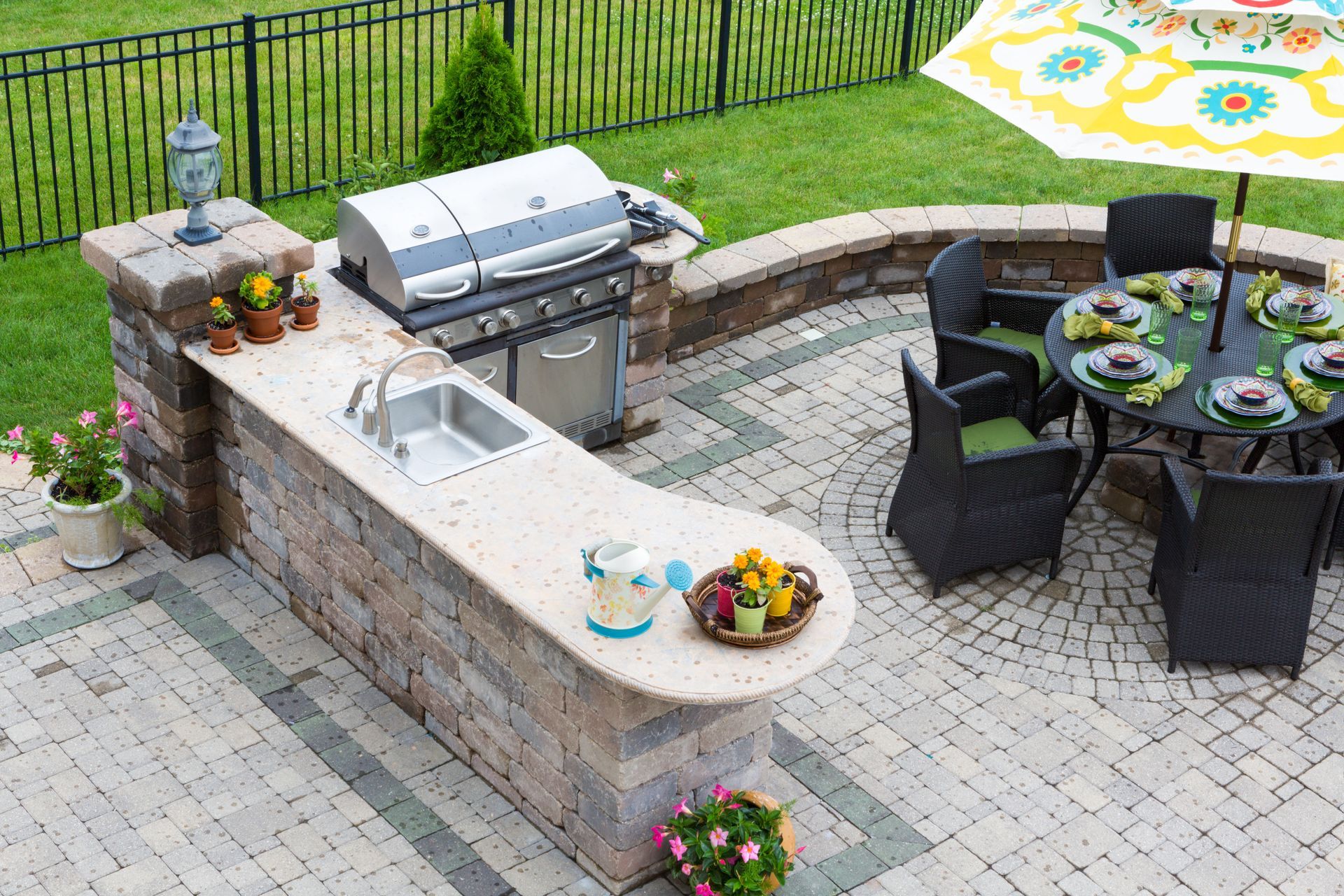
Experience isn't just about the number of years in business; it’s about the complexity of the projects handled. Ask to see a portfolio that includes projects similar in scope to yours. If you are planning a large outdoor kitchen with integrated lighting and water features, a contractor whose portfolio only consists of small garden paths may not have the technical expertise required. A seasoned professional will be able to discuss the challenges they’ve overcome in past projects, such as grading issues or difficult soil types, proving they can handle the unique variables of your property.
Licensing and Insurance Coverage
Hardscaping involves heavy machinery, significant excavation, and permanent structural changes to your land. Therefore, verifying a contractor’s legal and financial credentials is non-negotiable. Ensure that your hardscaping contractor carries both general liability insurance and workers' compensation. General liability protects your property in the event of accidental damage, while workers' comp ensures that you are not held liable if a crew member is injured while working on your home. Always ask for a current certificate of insurance rather than just taking a verbal "yes" at face value.
In addition to insurance, check for the proper licensing required by your state or municipality. A license indicates that the contractor has met certain professional standards and is registered with the appropriate authorities. Beyond basic legal requirements, look for industry certifications. Hiring a certified professional gives you an extra layer of confidence that the foundation of your patio or wall is being built to last.
Quality of Portfolio and References
A picture is worth a thousand words, but a physical reference is worth even more. While a digital portfolio on a website is a great starting point, ask the hardscaping contractor for the addresses of projects they completed three to five years ago. Hardscaping often looks beautiful the day it is finished, but the true test of quality is how it stands up to the elements and ground settling over several seasons. Look for signs of shifting pavers, sagging walls, or poor drainage in their older work. If the stones are still level and the joints are tight after several years, you’ve likely found a craftsman who prioritizes proper base preparation.
When speaking with references, ask about the contractor's communication and reliability. Did they show up when they said they would? Did they keep the job site relatively clean? Most importantly, how did they handle unexpected issues? Every outdoor project has the potential for surprises once excavation begins, and you want a contractor who communicates these challenges clearly and offers fair solutions. A contractor who is hesitant to provide references or whose past clients seem lukewarm should be a significant red flag in your selection process.
Design and Consultation Process
A high-quality hardscaping contractor should do more than just quote a price; they should provide a comprehensive design consultation. During the initial meeting, observe whether the contractor asks about how you intend to use the space. Do you need room for a large dining table? Is there a specific flow of traffic from the back door to the yard? A good contractor considers the lifestyle of the homeowner and the architectural style of the house. They should be able to provide design sketches or 3D renderings that help you visualize the final product before a single stone is laid.
The consultation is also the time to discuss material options. There is a wide variety of pavers, natural stones, and wall blocks available, each with different price points and durability levels. A knowledgeable contractor will explain the pros and cons of each, helping you balance aesthetics with your budget. They should also be transparent about lead times for materials. With the current high demand for outdoor living spaces, being realistic about project start dates and durations is a sign of an honest and well-organized business.
Technical Installation Standards
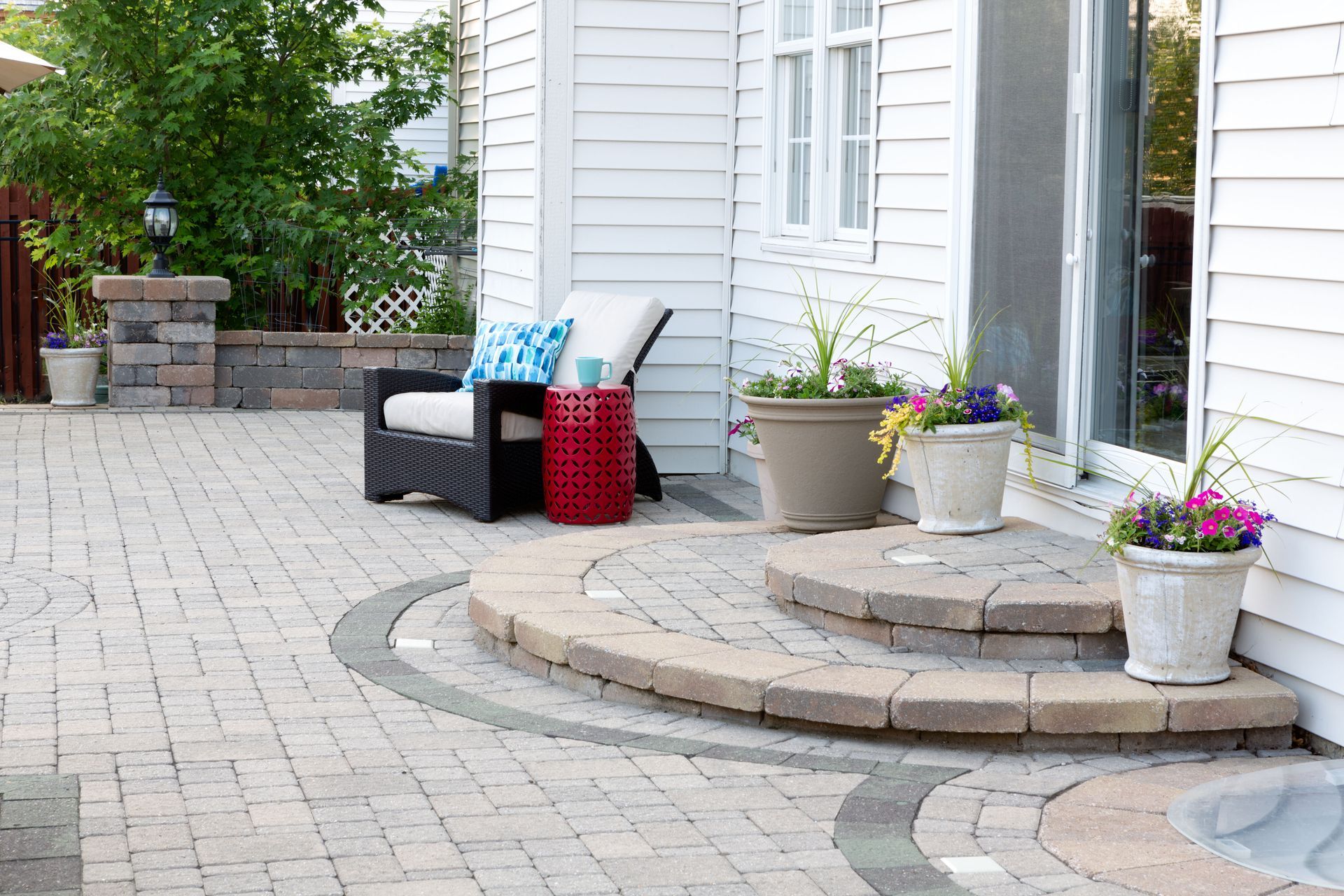
The most critical parts of a hardscaping project are the parts you will never see: the excavation depth, the type of base material used, and the compaction process. When interviewing a hardscaping contractor, ask specific questions about their installation process. A standard paver patio usually requires at least six inches of compacted gravel base, followed by a layer of bedding sand. If a contractor suggests "skimping" on the base to save money, they are setting your project up for failure, as the pavers will eventually sink or become uneven.
Drainage is another technical aspect that cannot be ignored. Improperly sloped patios can send water toward your home's foundation, leading to expensive basement leaks or structural damage. Ask the contractor how they plan to manage water runoff. Will they install a subtle pitch to the patio? Do they need to incorporate French drains or channel drains? A professional will have a clear, engineered plan for water management. Understanding these technical details ensures that your beautiful new outdoor area doesn't become a functional nightmare during the first heavy rainstorm.
Detailed Written Estimate
Once you have narrowed down your choices, request a detailed, written estimate. Avoid contractors who give "ballpark" figures over the phone without seeing the site. A professional estimate should break down the costs of labor, materials, excavation, and disposal fees. It should also specify the exact brands and styles of pavers or stone to be used. Having everything in writing prevents "scope creep" and ensures that both parties have the same expectations regarding the final result and the total investment required.
Pay close attention to the payment schedule and warranty information. It is standard to pay a deposit for materials, but you should never pay for the entire project upfront. A typical schedule involves a deposit, a progress payment after the base is prepared, and a final payment only after the job is completed to your satisfaction. Furthermore, a confident hardscaping contractor will offer a warranty on their workmanship—typically ranging from one to five years—in addition to the lifetime manufacturer warranties often provided on the pavers themselves. This warranty is your assurance that the contractor stands behind the structural integrity of their work.
Selecting the right professional is the difference between a patio that lasts a lifetime and one that requires constant repair. By focusing on specialization, legal protections, and technical standards, you can ensure your outdoor investment is sound. For those looking to create a stunning and durable outdoor environment, partnering with a premier hardscaping contractor like Atlantic Outdoor Living ensures that your project is handled with the highest level of craftsmanship and care from design to completion.