February 27, 2026
Fences are an essential part of property aesthetics, security, and privacy. This article explores four popular types of fencing: wood, vinyl, aluminum, and chain link. Each type presents unique characteristics, advantages, and disadvantages, catering to different needs and preferences. Understanding the nuances of each fencing type can empower property owners to make informed choices that align with their desires and requirements. By examining the details of wood, vinyl, aluminum, and chain link fences, we'll shed light on their individual strengths and considerations.
Wood Fencing
Types of Wood Used
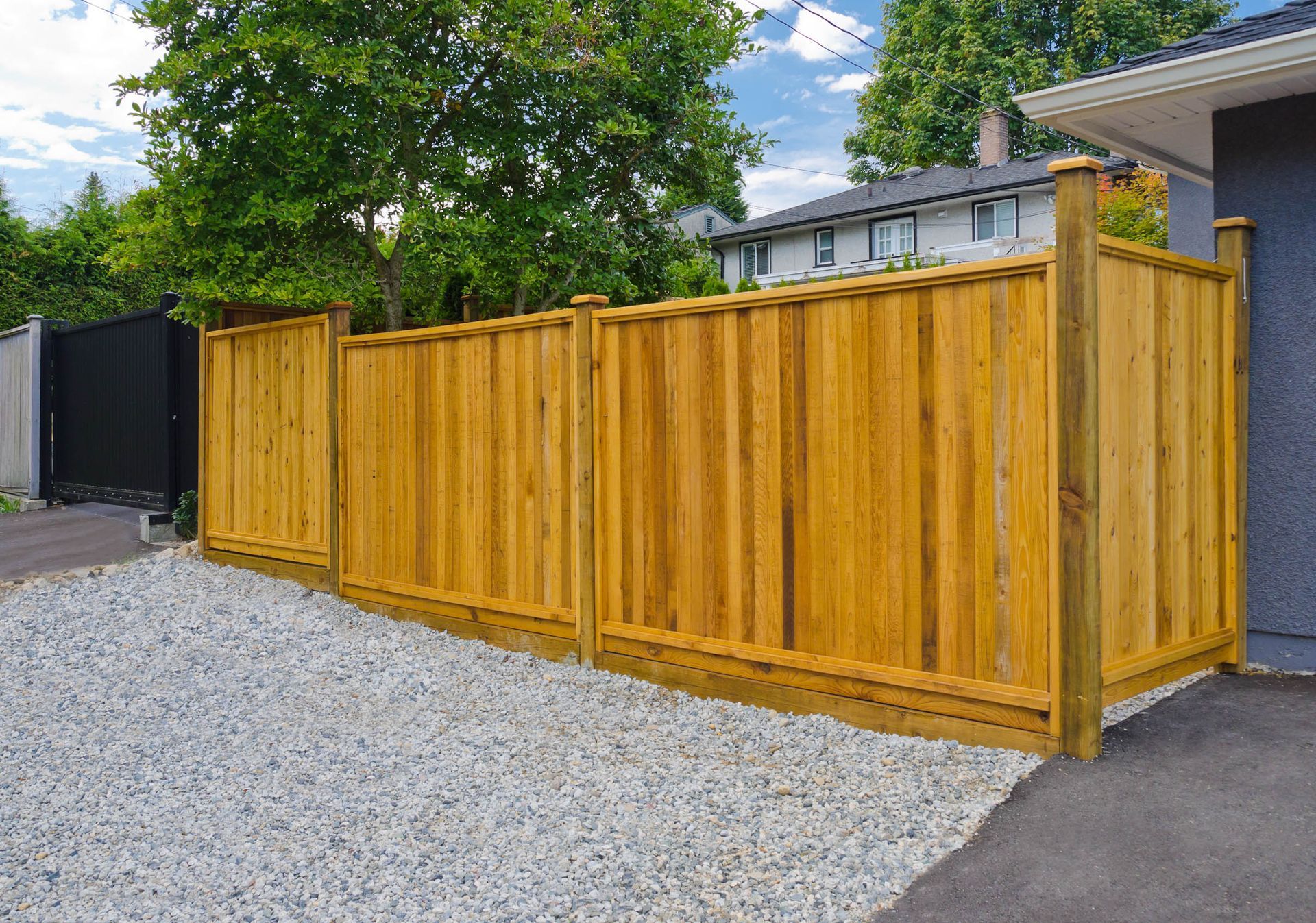
Wood fencing is a time-honored option cherished for its classic and natural beauty. Popular wood choices include cedar, redwood, pine, and spruce, each offering distinct qualities that are influential in selecting the right type for your property. Cedar stands out for its resistance to rot and insects, thanks to its aromatic oils, while redwood is loved for its rich reddish hue and durability. Pine and spruce, on the other hand, are more affordable but require treatment to enhance their resistance to elements. Selecting the right wood type is crucial for achieving the desired balance between aesthetics, cost, and longevity.
Advantages of Wood Fencing
The allure of wood fencing lies in its natural beauty and versatility in design, making it a preferred choice for many homeowners. Wood fences can be easily customized with paint or stain to match any property's aesthetic, allowing for a personalized touch. They also offer a warm and welcoming appearance that blends seamlessly with various landscapes, enhancing a property's curb appeal. One major advantage of wood is its ability to be tailored to create diverse fence styles, from traditional picket and privacy fences to more elaborate, artistic designs. The flexibility in design caters to a wide range of preferences, making wood an adaptable choice for many needs.
Maintenance Requirements
For wood fences to retain their beauty and functionality, regular maintenance is essential. According to This Old House, wood fences require an annual inspection for damage or rot, cleaning with a pressure washer every two to three years, and reapplying stain or paint every three to five years. This level of care helps sustain the fence's longevity and appearance, preventing issues like warping and insect infestation. While some may view the maintenance requirements as a drawback, others appreciate the opportunity to periodically refresh their fence's appearance. With disciplined upkeep, wood fences can retain their charm and serviceability for many years.
Cost Considerations
When evaluating the cost of wood fencing, several factors come into play, including the choice of wood, fence design, and labor expenses. Generally, cedar and redwood are pricier due to their superior durability, while pine and spruce present a more budget-friendly option. Labor costs can vary significantly based on the complexity of the design and height of the fence. Installation typically ranges from $1,700 to $4,000 for an average residential backyard, depending on the quality of materials and the scale of the project. Despite the potential for higher upfront costs, the enduring appeal and natural beauty of wood fencing can justify the investment.
Environmental Impact
From an environmental perspective, wood fencing presents both challenges and opportunities. While wood is a renewable resource, concerns regarding deforestation and the sustainable sourcing of wood require diligent consideration. Many wood fence producers now strive to use timber from responsibly managed forests to mitigate negative environmental impact. Moreover, wood is biodegradable, providing an environmentally friendly disposal option compared to synthetic materials. Consumers conscious of their ecological footprint may prefer wood fencing for its potential to be a greener choice when sourced and disposed of sustainably.
Vinyl Fencing
Composition and Design Variability
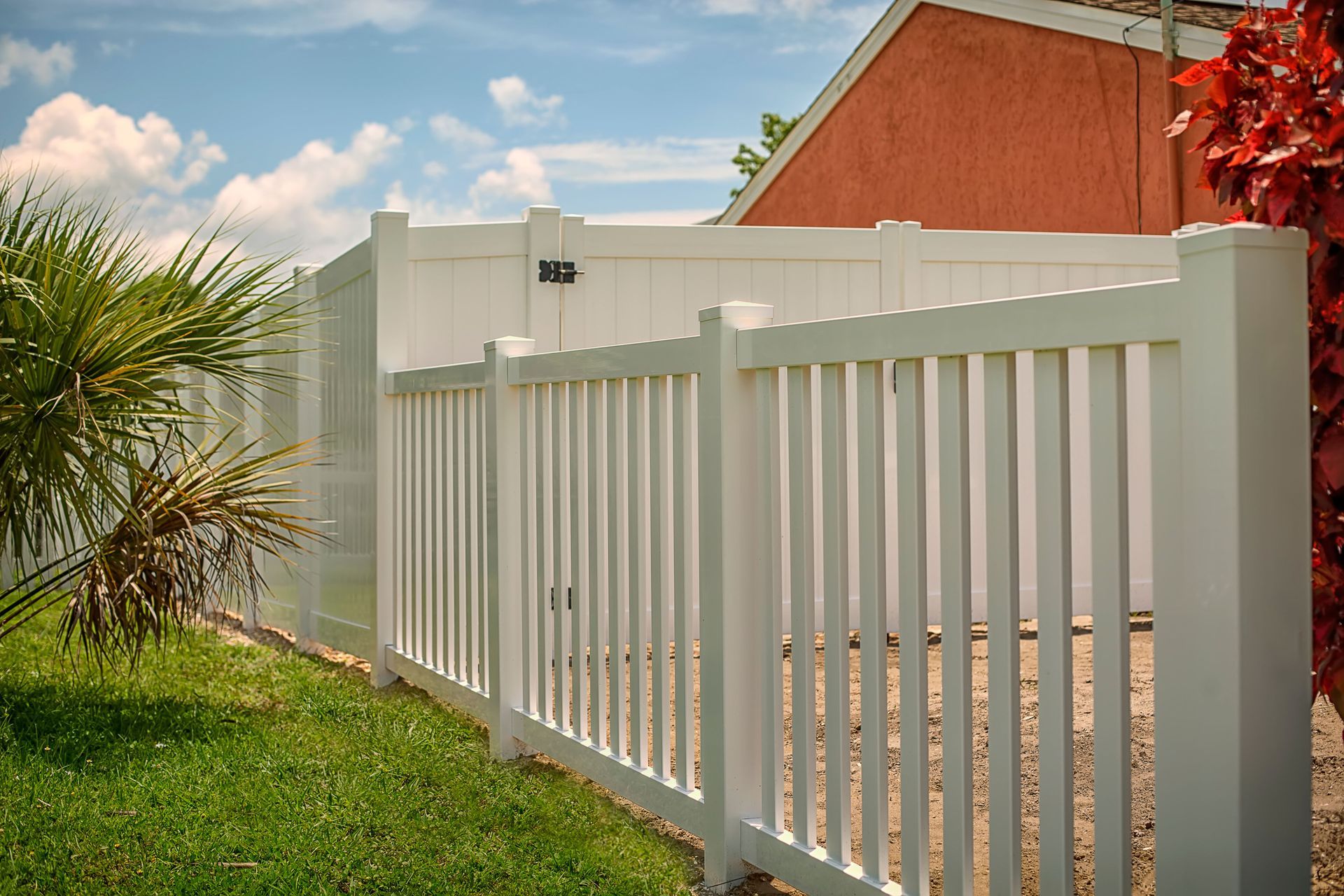
Vinyl fencing has gained popularity for its remarkable durability and the variety of designs available. Composed of synthetic materials, primarily polyvinyl chloride (PVC), vinyl fences offer a range of styles including privacy, picket, and ranch versions, catering to diverse tastes and property requirements. One of vinyl fencing's standout features is its ability to mimic the appearance of wood while requiring significantly less upkeep. The array of color options and textures allows homeowners to achieve their desired look without sacrificing functionality. This versatility makes vinyl fencing a compelling alternative for those seeking aesthetic appeal and practicality in tandem.
Durability and Lifespan
Durability is one of vinyl fencing's strongest attributes, making it an excellent long-term investment for property owners. Vinyl fences are renowned for their ability to withstand weather extremes without warping, splintering, or rotting — common issues that often affect wood fences. Furthermore, vinyl is resistant to pests and does not require the application of protective treatments or stains over its lifespan. With minimal maintenance, vinyl fences can easily last several decades while retaining a fresh appearance. Their robust nature and longevity contribute to their growing popularity among homeowners looking for hassle-free fencing solutions.
Maintenance and Cleaning
A key advantage of vinyl fencing is the minimal maintenance required to keep it looking pristine over time. Unlike wood, vinyl does not need periodic staining or painting, saving both time and resources in maintenance efforts. A simple wash with a garden hose or gentle scrubbing with soapy water is typically sufficient to remove dirt and maintain its clean appearance. This simplicity in cleaning represents a significant benefit for homeowners with busy schedules or who prefer low-maintenance solutions. Additionally, vinyl's resistance to UV rays prevents fading, ensuring the color remains vibrant for years.
Initial Costs vs. Long-term Investment
Initial costs for vinyl fencing can be higher compared to traditional wood options, yet its longevity and low maintenance can offer significant cost savings over time. Vinyl installation costs vary but typically range from $3,000 to $7,000 for an average residential backyard, depending on the height and style chosen. While the upfront investment may appear steep, the absence of ongoing maintenance fees and repair costs can offset this over time. Homeowners seeking a balance between initial expense and long-term savings may find vinyl a worthy contender that delivers value through durability and reduced upkeep commitments.
Environmental Considerations
Vinyl fencing's environmental impact is subject to debate, considering the synthetic materials involved. The production of PVC involves chemicals and processes that may raise ecological concerns, particularly when considering emissions and long-term sustainability. However, some manufacturers are striving to produce eco-friendlier options by incorporating recycled materials and optimizing production efficiency. Additionally, the long lifespan promotes reduced waste output, as fewer fences need replacing compared to other materials. Ultimately, vinyl's ecological considerations depend on manufacturing practices and advancement in recycling processes that aim towards more sustainable options.
Aluminum Fencing
Material Properties
Aluminum fencing is celebrated for its lightweight and robust properties, offering a durable solution that combines practicality with aesthetic appeal. Often chosen for its resistance to corrosion, aluminum does not rust, even when exposed to moisture, making it particularly suitable for areas with high rainfall or humidity. Additionally, aluminum's strength contributes to its ability to withstand the elements, ensuring structural integrity over years of use. Given that aluminum is also a highly adaptable material, it allows for intricate designs and finishes that can replicate the appearance of more expensive wrought iron at a fraction of the cost. These characteristics make aluminum a compelling choice for property owners seeking resilience without a hefty weight.
The cost structure of aluminum fencing is influenced by several factors, including material grade and complexity of design. While often pricier than chain link but less costly than wrought iron, aluminum offers an attractive middle ground in terms of expense. Installation typically ranges between $2,000 and $5,000 for common applications, depending on the fence’s height, length, and decorative features. Aluminum’s low maintenance requirements and long lifespan provide a positive return on investment, with significant savings on potential repairs or replacements further down the line. Consequently, property owners seeking lasting value and reduced upkeep often lean towards aluminum as a cost-effective fencing solution. Be sure to reach out to Atlantic Outdoor Living today for more information on our professional fencing!